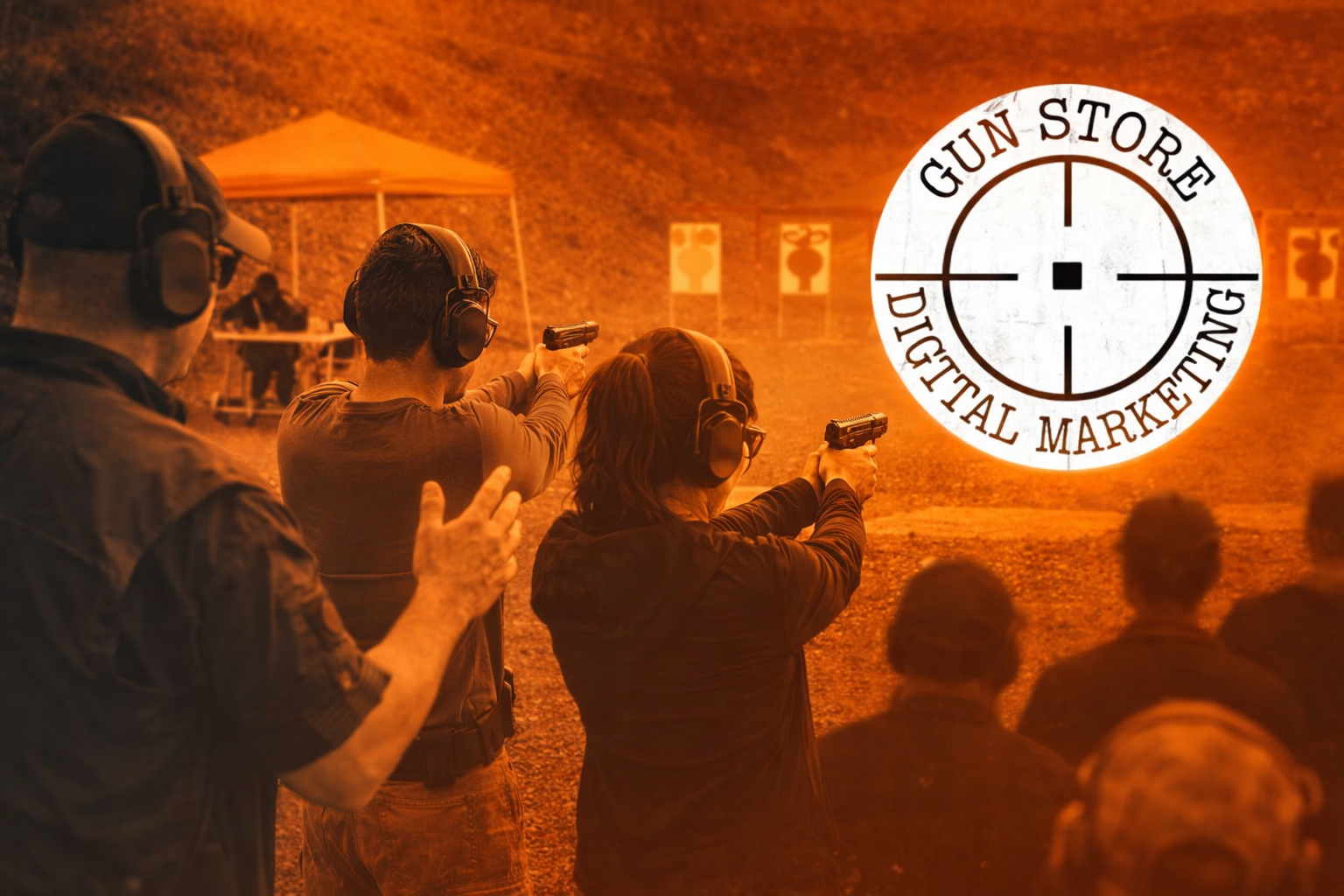
Classes, demo nights, and range days can carry a shop through slow retail weeks. Many stores still treat events like a poster on the counter and a last-minute social post. That approach leaves empty seats, staff stress, and missed chances to turn attendees into regulars.
Gun store event marketing works best when it runs like a system. One clear page, a consistent promotion rhythm, and a follow-up plan can lift turnout without turning your team into full-time marketers.
Why Events Need A Simple Online System
Events bring in people who already want what you sell. A safety class draws new owners who need gear, ammo, and training support. A range day attracts returning shooters who buy more once they trust your staff.
Consistency matters more than creativity here. Customers want a clear time, a clear price, and a clear way to reserve a spot. A simple system keeps details accurate across every channel, which protects trust.
These are the core reasons a repeatable plan pays off.
Events Create Shorter Buyer Journeys
A class attendee can move from interest to purchase in one visit. The environment offers education, confidence, and face time with staff. That mix can beat a generic online ad for lead quality.
Strong Attendance Helps Every Other Channel
A full class gives you photos, testimonials, and stories that feel real. Those assets feed your website, email, and future posts. Each event becomes proof that the store stays active and reliable.
Build A Landing Page That Sells The Seat
A single landing page does most of the heavy lifting. It answers questions, takes registrations, and sets expectations. When the page reads well on mobile, fewer people call for basic details, which frees staff for customers on the floor.
A strong page starts with structure. Think of it as a mini sales page, not a calendar entry. Good web design helps the page feel easy to trust, which lifts conversions.
Here are the page elements that help people commit.
Put The Key Details Near The Top
Lead with the event name, date, time, and price. Add a clear button for booking or contacting the shop. Keep the first screen free of clutter so the offer feels obvious.
Write For First-Time Attendees
New buyers worry about what to bring, what to wear, and what happens at arrival. Answer those points with plain language. A short “what to expect” section reduces drop-off from uncertainty.
Add Proof Without Overdoing It
One or two quotes from past attendees can carry weight. A photo of a prior class helps, too. Use real images from your store, not stock shots.
Make Registration Feel Safe
A reservation form needs clear fields and a clear confirmation message. Show what happens after payment or RSVP. A short line about refunds and reschedules can stop hesitation.
Promote Each Date Across Channels You Control
Promotion feels easier when it follows a fixed rhythm. Publish the page early, then reuse the same core message across your owned channels. One strong offer repeated in different places will beat scattered updates.
The following are practical promotion moves that suit most stores.
A Promotion Checklist That Fits Real Schedules
- Website homepage feature: Place the event card above the fold for the week it runs. Rotate it out the day after so the site stays current.
- Email announcement: Send one message when registration opens. Follow with a reminder two days before the event.
- In-store signage: Put a small QR code at checkout that points to the landing page. Ask staff to mention the next class during every sale that fits the audience.
- Google Business Profile post: Publish a short post that links to the event page. Keep the copy focused on date, seat count, and the main benefit.
- Text list invite: Send one short SMS to customers who opted in. Include the link and a simple call to reserve.
- Social media reuse: Post the same creative three times with new captions. Space the posts across the week so the message lands without fatigue.
Each channel needs the same destination. When every post drives to the landing page, tracking stays clean and customers get one source of truth. Over time, that pattern supports stronger brand signals for search engine optimization without adding complexity.
Turn Attendance Into Repeat Visits And Sales
A full class is a win. The real upside arrives after the event ends. Follow-up turns one-time attendees into long-term customers, plus it builds a roster for future dates.
A tight post-event plan can stay simple. Staff need scripts, not long meetings. A short set of steps protects consistency.
These are the follow-up plays that tend to work.
Make The Next Step Obvious
Send a thank-you email within 24 hours. Include a link to the next class date or range event. Add one suggested product bundle that matches the event, such as ear protection and eye protection for new shooters.
Capture Reviews The Right Way
Ask for feedback when the experience stays fresh. Provide one link and one sentence on what to mention. Keep the tone polite and direct.
Offer A Practical Return Reason
A small “graduates” offer can move people back into the shop. Think in-store credit on a future purchase or a discounted lane fee. Tie the offer to what they learned, not a random deal.
Build A Community Touchpoint
Create a monthly event round-up email. Include upcoming dates, a short tip, and one highlight photo. A steady cadence makes the store feel active between events.
Conclusion
Gun store event marketing does not need flashy tactics. A clear landing page, a repeatable promotion rhythm, and a simple follow-up plan can fill seats and build loyalty. When classes and range days run like a system, they support retail sales, strengthen trust, and create a pipeline of future customers.